The short answer
Tell tenants before anyone appears outside or inside their windows, settle roof and suite access before the crew arrives, and schedule interior work around the business day. One point of contact on each side keeps it simple.
What the tenant notice should say
- Dates and time windows, by floor or elevation
- Exterior, interior or both
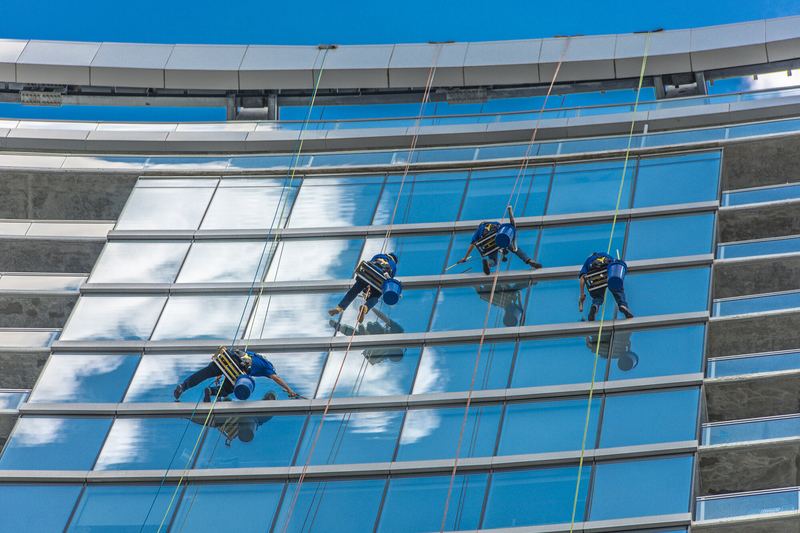
- What tenants will see: technicians outside the glass on ropes or a stage
- What tenants should do: keep operable windows closed, and clear sills and blinds for interior work
- Which entrances or ground-level areas are affected
- Who to call with questions
Set the notice timing in your building rules and send it the same way every time. Tenants tolerate work they were told about.
Access to sort out before day one
- Roof: hatch or door, keys, and anyone who must be present
- Suites: keys, escorts and areas that are off limits
- Equipment: loading dock, freight elevator and staging space
- Ground level: safety zones below the work and entrance routing. See staging, parking and sidewalk closures.
Privacy and sensitive tenants
Technicians at the window see into offices. Medical, legal, government and financial tenants may need blinds closed, specific windows skipped or work timed around their operations. Ask them before the schedule is set.
When after-hours work makes sense
- Interior suite glass, where cleaning during business hours means working around people
- Lobby and entrance glass, so the building opens clean
- Tenants with strict operations, such as healthcare or secure areas
Exterior drops depend on daylight, weather and safe conditions at height, so they are planned differently. Put any after-hours requirement in the scope so every bidder prices it.
How S&K handles it
S&K works on a schedule built around your operations, with one point of contact for scheduling and issues. Work is completed cleanly, on schedule, with minimal disruption. See commercial office and CRE.