The short answer
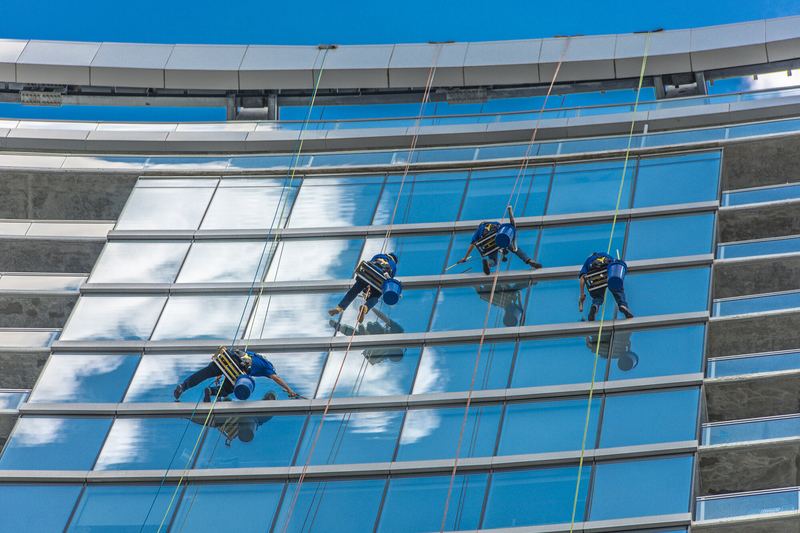
Anything worked from above needs a controlled area below it. Plan the ground-level safety zone, any sidewalk or right-of-way closure and permit, crew parking and equipment staging before the schedule is final.
Ground-level safety zones
- Barricades, cones and signage below each active drop
- Entrances kept usable, or rerouted with clear signs
- The zone moves with the work, drop by drop
Tools and equipment on rope descent systems must be secured by a tool lanyard or similar method so they cannot fall (OSHA 29 CFR 1910.27). The safety zone is the second layer of protection.
Sidewalk and right-of-way closures
Where the building sits on a public sidewalk or street, closing part of it usually needs a permit from the city. Requirements and lead times vary by city. Confirm early:
- Whether a permit is needed for your block
- Who applies: owner, manager or contractor
- Lead time, fees and any time-of-day limits
- Pedestrian routing and signage the city requires
Parking and equipment staging
- Crew vehicle parking close to the building
- Loading dock and freight elevator time for equipment
- Roof staging space for rigging, and ground space for a swing stage
- Water access for ground-level work
Put it in the scope
Name who handles safety zones, sidewalk permits, parking and dock time, and when. Bids that skip these are pricing a different job. See what a scope of work must specify.
How S&K plans the ground
Every at-height job gets a site-specific safety plan that covers the ground below the work as well as the roof. Plan the rest with tenant coordination and High-Rise (8-15 stories).